Shrinkage is the objection that comes up in almost every initial conversation with a retailer about mobile self-checkout. The concern is intuitive: if a shopper is scanning their own items, who is making sure they scanned everything? It is a fair question, and it deserves a real answer rather than a reassurance.
We have been running pilots across 14 stores for about six months. The stores include independent grocers, a convenience chain operator with four locations, a specialty food retailer, and two small-format apparel boutiques. Shrinkage was a tracked metric from day one because we knew it would be the conversation retailers needed answered before expanding mobile checkout beyond a trial.
The picture is more nuanced than either the skeptics or the optimists tend to expect.
Where shrinkage risk in scan-and-go actually concentrates
In a traditional checkout lane, a cashier handles every item. In mobile self-checkout, the shopper handles every item. The threat model is different. The question is not whether unscanned items can leave the store, they can. The question is who does it, how often, and whether exit verification changes the calculation.
What we observed across pilot locations is that the shrinkage risk profile in scan-and-go breaks into three distinct populations. The first is accidental non-scanning: shoppers who genuinely forgot to scan an item, typically something small placed in a bag or basket before they initiated checkout. This is not theft. It shows up as inventory discrepancy and gets attributed to shrinkage in aggregate figures, but it is operationally different from deliberate theft and requires a different response.
The second population is opportunistic: shoppers who notice, mid-checkout, that they can put something in their basket without scanning it and exit without anyone noticing. This behavior is deterred by visible exit verification. When a staff member glances at a completion screen before a shopper exits, even without performing a physical receipt check every time, the visible presence of a verification step changes the perceived risk for opportunistic theft substantially.
The third population is deliberate and systematic. These shoppers are not deterred by casual exit verification. They test the system. For this group, the honest answer is that mobile self-checkout, without additional controls, does create an incremental opportunity. We are not going to pretend otherwise.
What exit verification does and does not solve
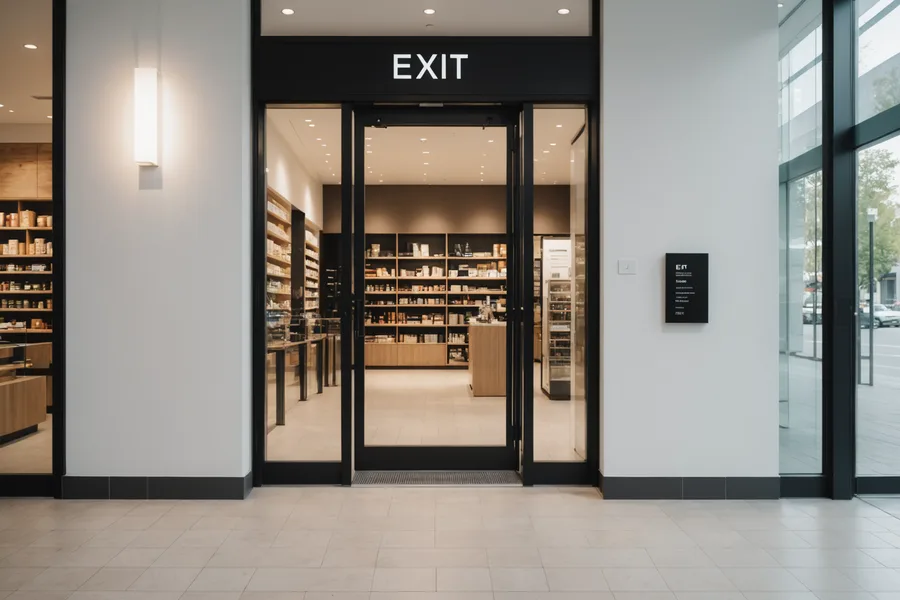
Exit verification in Leav works by generating a completion QR code or confirmation screen on the shopper's phone after payment. The shopper presents this at the exit point, and a staff member confirms it. In stores where this was implemented consistently, the pattern of opportunistic non-scanning dropped to near-zero within the first few weeks. The social deterrence effect is real.
For deliberate systematic theft, exit verification alone is not sufficient. A sophisticated actor can present a valid completion screen for a partial basket. This is where the camera-based verification layer becomes relevant. Leav's computer-vision component, when deployed at exit points, compares the basket contents captured at exit against the scanned item list. It does not catch every item in every basket, but it creates a probabilistic deterrent and a documentation trail. A shopper who knows their basket is being analyzed at exit has a different risk calculation than one who knows only a human is glancing at a phone screen.
We want to be honest about what the camera layer is and is not: it is an additional signal, not a foolproof inventory reconciliation system. In a store with clear sightlines and consistent camera positioning, it works well. In a store with a cluttered exit area or inconsistent basket presentation, its accuracy drops. Physical environment matters.
The offsetting factors that the shrinkage conversation misses
Retail shrinkage figures include theft, but they also include internal theft, vendor fraud, administrative error, and spoilage. In independent stores, industry surveys suggest internal sources account for a meaningful share of total shrinkage, somewhere in the range of 25 to 35 percent depending on the study. Mobile self-checkout does not introduce additional risk in those categories, and in some cases reduces it because transactions are digitally logged at the item level rather than managed through a cashier-controlled till.
There is also a counter-intuitive pattern in our pilot data that is worth noting. Stores where mobile checkout was deployed saw a reduction in the specific type of theft that happens when a cashier's attention is divided: shoppers in a queue who pocket small items while waiting, cashiers who are distracted by a difficult transaction and miss items sliding past. Mobile checkout separates the transaction from a human attention bottleneck. Whether that nets out favorably depends on how effective the exit verification implementation is.
What to do before you go live
The stores in our pilot that had the best loss outcomes set up three things before their first live day. They designated a consistent exit point where staff could observe departing mobile checkout shoppers. They briefed their team on what a valid completion screen looks like versus an incomplete or fraudulent one. And they identified the highest-value SKUs in their inventory and placed those products in areas with better sightline coverage.
None of this is technically complex, but it does require treating mobile checkout as an operational change, not just a technology deployment. The merchants who went live without these steps in place did see higher unexplained inventory discrepancies in the first weeks. The merchants who set up the operational layer first did not.
After six months, our overall read is that scan-and-go loss prevention is a solvable problem, not a fundamental barrier to mobile checkout adoption. But it requires honest setup, visible verification, and the right expectations about what the technology can and cannot do without operational support.
Try Leav free
Mobile checkout for your Shopify store. 14 days free.
No credit card required. Connect your store and go live in 48 hours.
Start Free Trial