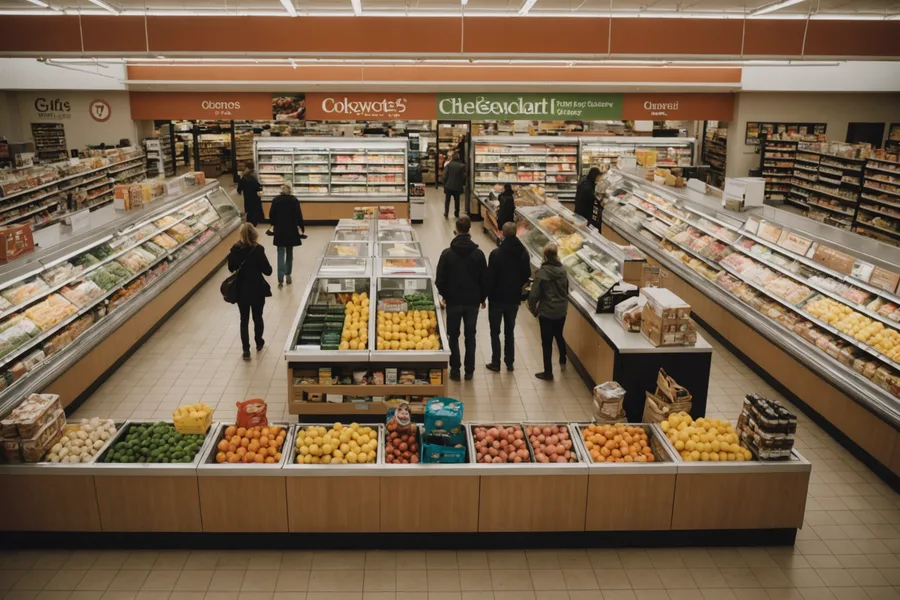
Retail experience research is fairly consistent on one finding that surprises most store operators when they first see it: checkout experience has an outsized impact on return-visit intent relative to the time it represents in a typical shopping trip. A shopper who spends 12 minutes browsing and two minutes at checkout will weight the checkout interaction heavily when forming their overall impression. The same shopper who had a frustrating wait at the end of an otherwise pleasant trip is likely to remember the frustration more clearly than the pleasant part.
This is a well-documented pattern in customer experience research, sometimes called the peak-end rule: people's memories of an experience are disproportionately influenced by the most intense moment and the final moment, not by an average of all moments. For a retail trip, checkout is almost always the final moment. If it goes poorly, it tends to color the whole visit in memory.
We think about this a lot because it is the context in which Leav is deployed. We are not redesigning the product selection, the store layout, or the staff interactions. We are trying to make the final 90 seconds of a shopping trip less painful. The scale of the opportunity depends on how much those 90 seconds actually matter, and the research suggests they matter quite a bit.
What the final 90 seconds contains
A typical checkout interaction at a staffed counter involves several sequential steps: joining a queue, waiting, placing items on the counter or conveyor, watching them scanned, being presented a total, choosing a payment method, completing the payment, receiving a receipt, and leaving. In a store with one active lane and two people ahead of a shopper, this sequence easily exceeds three to four minutes, and the waiting portion is pure dead time with no positive value for the shopper.
The friction in this sequence is not uniform. Waiting in a queue before any interaction happens is the highest-friction moment for most shoppers because there is nothing to do and no sense of progress. The payment interaction itself, when it goes quickly, is low friction. A contactless tap that takes two seconds is almost friction-free. A chip insertion with a PIN, waiting for approval, and then being asked about a receipt is measurably more annoying, not because each step is hard but because the accumulated time and interaction count adds up.
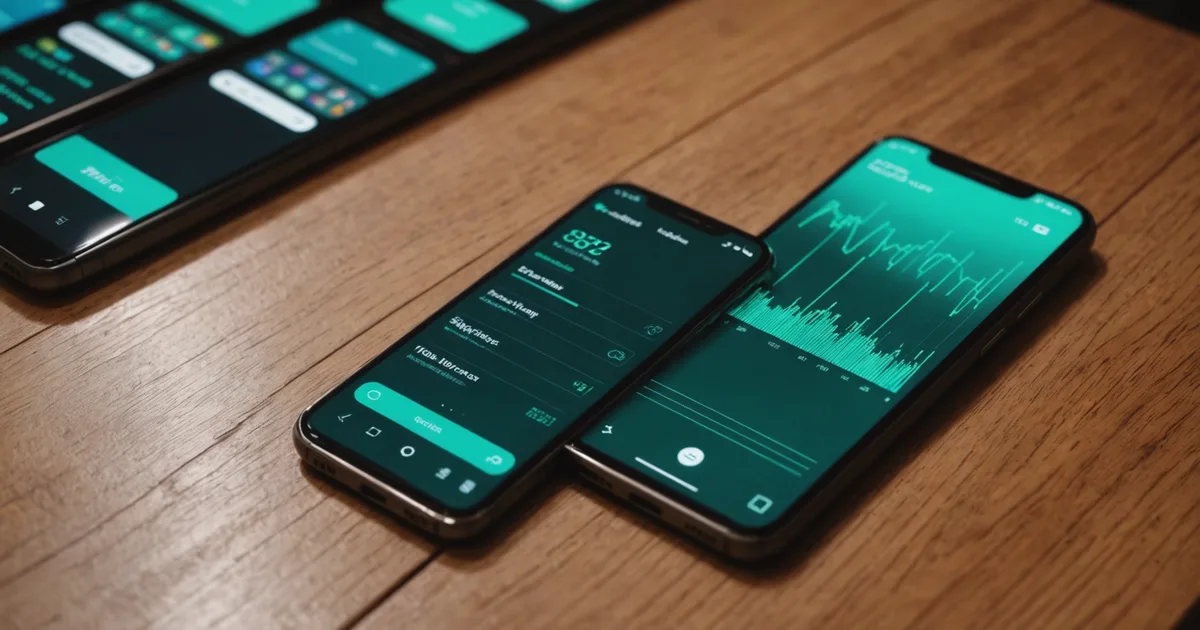
Mobile self-checkout collapses this sequence. The shopper scans while browsing, the queue waiting period disappears, and the payment step happens on a device the shopper already controls. The total time from last item to exit is measured in seconds rather than minutes. The emotional texture of the exit is entirely different.
Why the "last impression" framing is operationally useful
There is a tendency to evaluate checkout improvements as a transaction efficiency problem: how many transactions per hour, how long is the average wait, what is the cost per transaction. These are legitimate metrics, but they miss the retention dimension. A store that improves transaction throughput at the cost of making checkout feel mechanical and impersonal may be solving the wrong problem.
The "last impression" framing changes the optimization target. You are not only trying to process people faster. You are trying to end the shopping trip in a way that makes people want to come back. Those two objectives are usually aligned, but not always. Speed that comes with stress, like a cashier rushing a shopper to free up the lane, can technically reduce wait time while making the exit impression worse.
Mobile checkout avoids this tradeoff. A shopper who controls their own checkout moves at their own pace, does not feel rushed, and exits when they are ready. The experience is low-stress by design, not because staff are working harder to make it pleasant.
The asymmetry of checkout memory
One observation from talking with store operators who have deployed mobile checkout: the positive impact on repeat visit rates is not dramatic in percentage terms, but it compounds. A small improvement in the probability that a shopper who visited once comes back for a second visit, repeated across a large number of shoppers over a year, produces a meaningful revenue effect that does not show up in any single transaction metric.
This is not unique to checkout experience. It is how customer retention math works. But checkout is a particularly tractable intervention point because it is a defined, contained experience with a clear alternative. You do not need to redesign your store layout or renegotiate your product mix to change it. You need to change how the final 90 seconds of the trip works.
What this framing does not argue
We want to be clear about what the peak-end research does and does not support. It supports the claim that checkout experience has a disproportionate weight in forming overall trip impressions. It does not support the claim that checkout experience is more important than everything else combined, or that fixing checkout offsets a poor product selection, unfriendly staff, or inconvenient location. Those things matter too.
The practical implication is narrower: among the operational levers available to an independent retailer, checkout experience is worth more investment than it typically receives, and it is more tractable to improve than many other factors. That is the argument we find compelling, and the one that motivates what we build.
Try Leav free
Mobile checkout for your Shopify store. 14 days free.
No credit card required. Connect your store and go live in 48 hours.
Start Free Trial